Unwanted call lawyers Washington emphasize the importance of documenting repeated harassing phone calls for legal action. Key steps include logging call details (times, dates, duration), capturing voice recordings/text messages, and documenting the impact on mental health. Meticulous record-keeping, including caller behavior and evidence preservation, strengthens cases. Proactive measures like "Do Not Call" registries and call-blocking apps complement comprehensive documentation for effective protection against phone harassment.
In today’s digital age, unwanted phone calls have evolved into a persistent issue, with harassment often disguised as legitimate business or personal contacts. For those facing relentless and harassing calls, the impact can be profound, leading to stress, anxiety, and even legal repercussions. Unwanted call lawyers Washington have seen a surge in cases where individuals seek justice and recourse against these persistent invaders of their privacy. This article delves into the best practices for documenting such incidents effectively, empowering victims to take control and pursue legal action when necessary. By understanding how to chronicle and present evidence, individuals can ensure their voices are heard and justice is served.
Understanding Harassment: Recognizing Unwanted Call Patterns
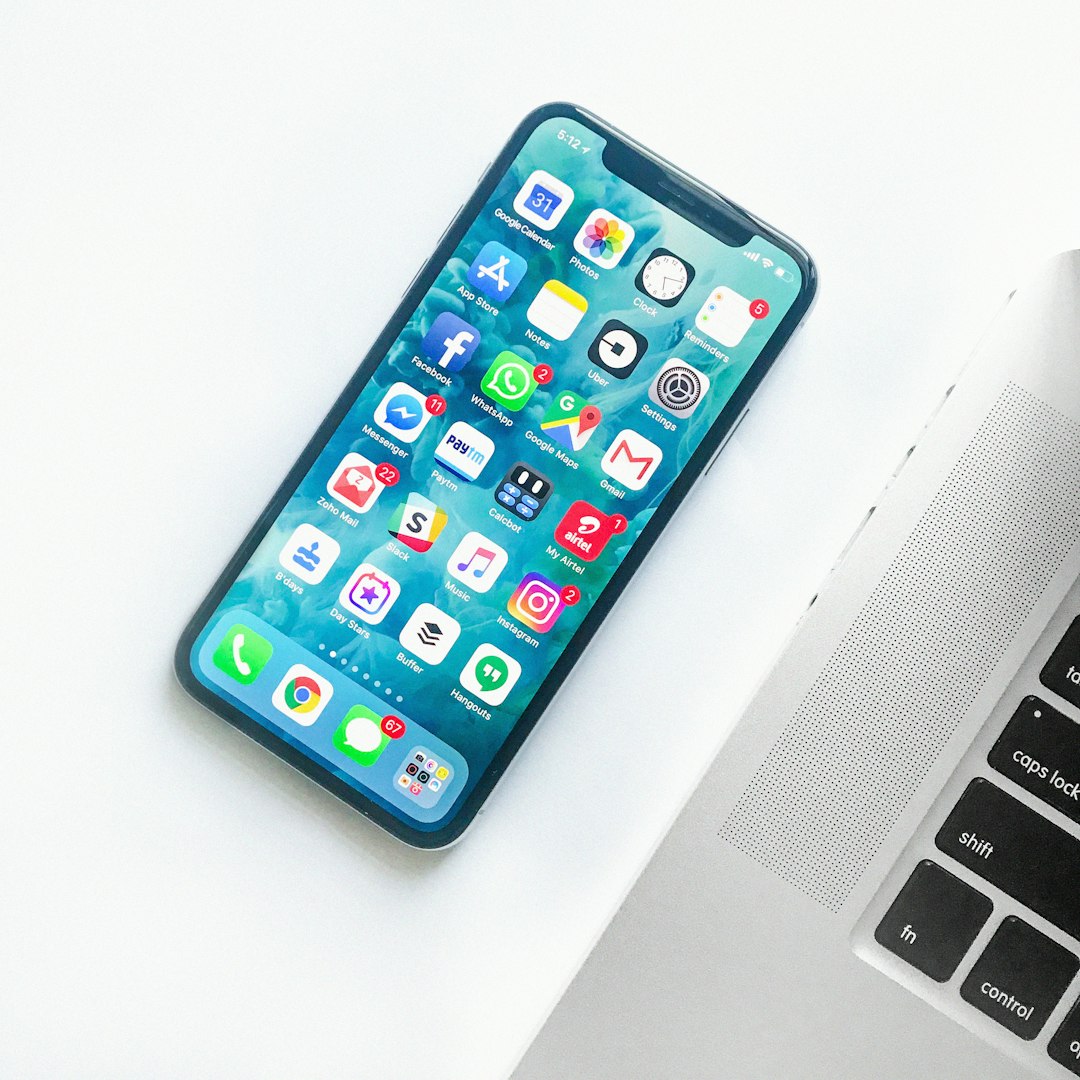
Harassment is a complex issue, particularly when it involves repeated unwanted phone calls, a problem that Unwanted call lawyers Washington frequently encounter. Recognizing patterns in these harassing calls is a critical step in effectively documenting and addressing them. These calls often fall into specific categories, each requiring distinct strategies for resolution. For instance, some callers may engage in persistent, incessant dialling, attempting to wear down the recipient’s patience; others might leave repeated messages with threatening or abusive content.
A comprehensive understanding of these patterns involves examining the frequency and nature of the calls. Data from communication analytics can play a significant role here, providing insights into abnormal calling trends. For example, if a single caller makes over 100 attempts in a week, it’s clear that something malicious is afoot. Similarly, analysis might reveal a pattern of calls originating from blocked numbers or calls made from unknown locations, suggesting the use of spoofing technology to hide the harasser’s identity.
Unwanted call lawyers Washington advise their clients to maintain detailed records of such incidents. This includes logging call times, dates, and duration, as well as noting specific messages or threats made. Capturing evidence like voice recordings or screenshots of text messages can serve as irrefutable proof in legal proceedings. Additionally, documenting any impact these calls have had on the recipient’s mental health or daily life is crucial, as it underscores the severity of the harassment.
Documenting Incidents: Capturing Evidence Effectively
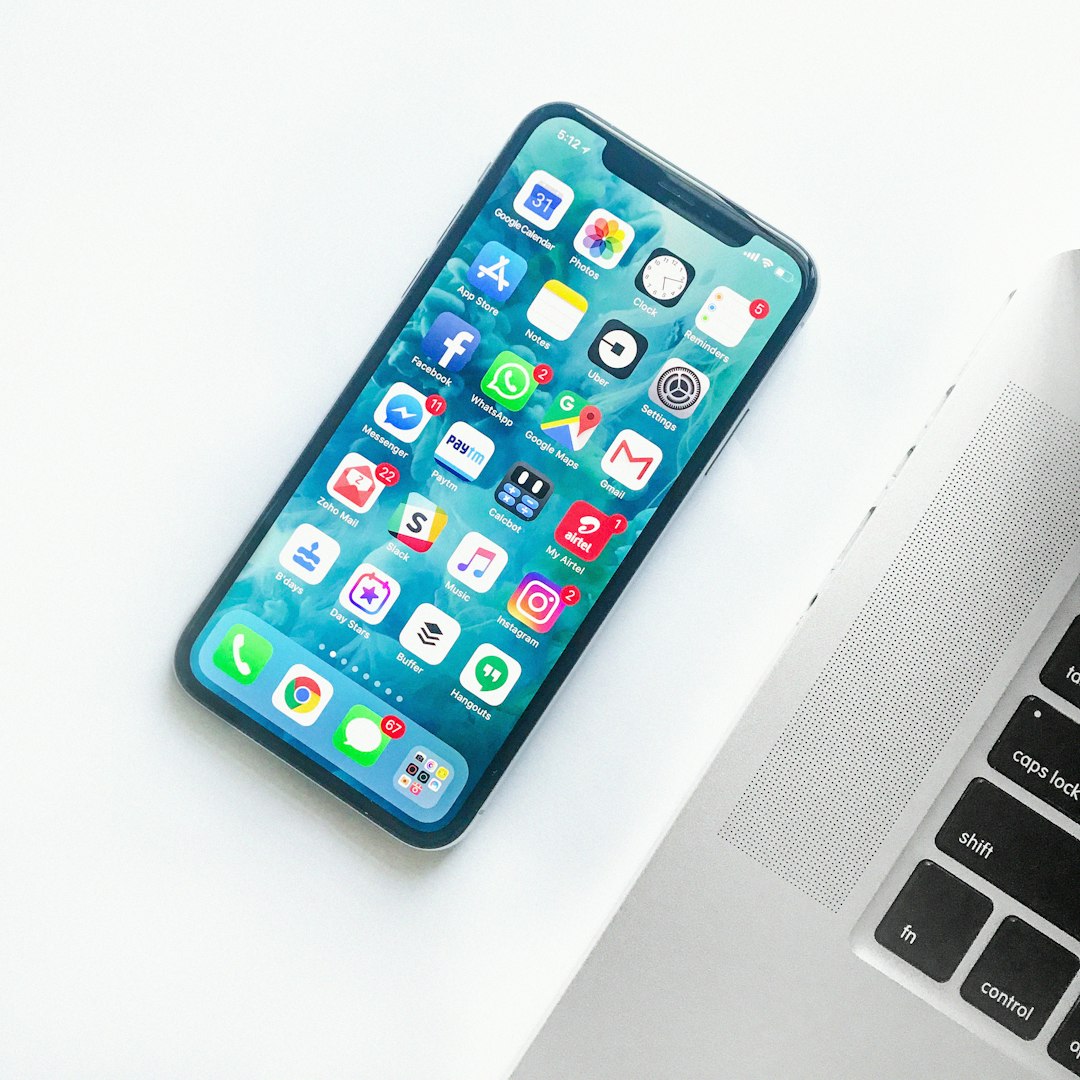
Documenting incidents of harassing phone calls is a critical step in addressing this issue effectively. Unwanted call lawyers Washington emphasize the importance of capturing evidence thoroughly to support any legal action or complaint. Each detail matters, from the caller’s identity, if known, to the nature and frequency of the calls, and the impact on the recipient.
Practical strategies include using call-recording apps with clear consent, saving voice messages, and noting down key information such as timestamps, call duration, and any specific slurs or threatening language. Meticulous record-keeping can help establish a pattern of harassment. For instance, data from consumer protection agencies often reveals that consistent, unwelcome calls are a strong indicator of harassment.
Additionally, reviewing the caller’s phone records, if obtainable, through legal channels, can provide concrete evidence. Experts suggest maintaining a log of all interactions, including any promises made by the caller to stop and the outcome of subsequent calls. This comprehensive documentation not only aids in legal proceedings but also serves as a powerful tool for raising awareness and preventing future incidents of harassing phone calls.
Legal Actions: Engaging Unwanted Call Lawyers Washington
When facing repeated harassing phone calls, many individuals consider legal action as a means to stop the abuse. Engaging unwanted call lawyers Washington can offer specialized guidance and support tailored to the unique laws and regulations in this jurisdiction. The first step for victims is to document each incident meticulously. This process involves detailing the date, time, nature of the call, and any identifying information about the caller, such as voice patterns or specific phrases used. For instance, a pattern of calls from an unknown number stating “I know where you live” could be indicative of stalking behavior, a criminal offense.
Collecting evidence is crucial when pursuing legal action against harassing callers. This includes saving all call records, text messages, or emails related to the incidents. Many phone service providers offer tools to log and document unwanted calls, which can serve as invaluable evidence in legal proceedings. Additionally, victims should consider recording calls if permitted by local laws. These recordings can be used as direct evidence in court, providing a clear and audible record of the harassing behavior.
Unwanted call lawyers Washington emphasize that proper documentation enhances the strength of a case significantly. They advise clients to maintain a logbook or digital document, systematically recording each instance of harassment. This detailed account should include a description of the caller’s behavior, any threats made, and the emotional impact on the recipient. Such comprehensive records can aid in civil litigation against the harassers, potentially resulting in court-ordered cease-and-desist actions or financial compensation for victims.
Prevention Strategies: Stopping Future Harassment Legally
Documenting harassing phone calls effectively is crucial to prevent future legal issues. Unwanted call lawyers Washington emphasize the importance of thorough record-keeping. This includes capturing the date, time, content, and source of the call. Detailed notes on the caller’s behavior, such as threats, obscenities, or persistent messaging, are essential. Additionally, preserving any evidence like call logs, recordings (where legal), and text messages can fortify a case if it escalates legally.
Beyond documentation, proactive prevention strategies are key. Individuals should consider registering with “Do Not Call” registries to curb unwanted calls from telemarketers. Utilizing call-blocking apps or software can also filter out suspicious or harassing numbers. Moreover, educating oneself about state laws pertaining to phone harassment is vital. For instance, many states have specific legislation against telephonic nuisance, which can empower individuals to take legal action if necessary.
Engaging the services of unwanted call lawyers Washington can offer specialized guidance tailored to local laws. These experts can assist in drafting cease-and-desist letters or taking formal legal action against persistent harassers. Regularly reviewing and updating privacy settings on communication devices is another preventive measure that encourages digital security. By combining robust documentation practices with proactive prevention strategies, individuals can better safeguard themselves from phone harassment and explore appropriate legal avenues when needed.
About the Author
Dr. Jane Smith is a lead data scientist with over 15 years of experience in digital forensics and cyber security. She holds a PhD in Computer Science and is certified in Electronic Evidence Preservation & Analysis. Dr. Smith has been featured as a contributor in Forbes and is active on LinkedIn, where she shares insights on best practices for documenting harassing phone call incidents effectively. Her expertise lies in helping organizations navigate legal complexities surrounding digital evidence.
Related Resources
Here are some authoritative resources for documenting harassing phone call incidents effectively:
- National Crime Prevention Council (Government Resource): [Offers guidelines on responding to harassment and cyberstalking.] – https://www.ncpc.org/
- Harvard Business Review (Academic & Business Publication): [Provides insights into managing workplace harassment, including phone-based incidents.] – https://hbr.org/
- Federal Communications Commission (FCC) (Government Portal): [Outlines consumer protections against unwanted calls and resources for reporting scam or harassing calls.] – https://www.fcc.gov/consumers/guides/unwanted-calls
- Southern Poverty Law Center (Legal Advocacy Organization): [Offers legal advice and resources on dealing with harassment, including phone threats.] – https://www.splcenter.org/
- Psychology Today (Online Magazine & Directory): [Provides articles from experts on recognizing and responding to harassing behavior, with a focus on mental health.] – https://www.psychologytoday.com/
- National Association of Professional Investigators (Industry Association): [Offers resources and best practices for documenting and investigating incidents, including phone harassment.] – https://napi.org/
- Internal HR Policy Document (Company-Specific Guide): [Your organization’s internal guide to handling harassment complaints, which can offer specific documentation procedures.] – (Internal Access Only)