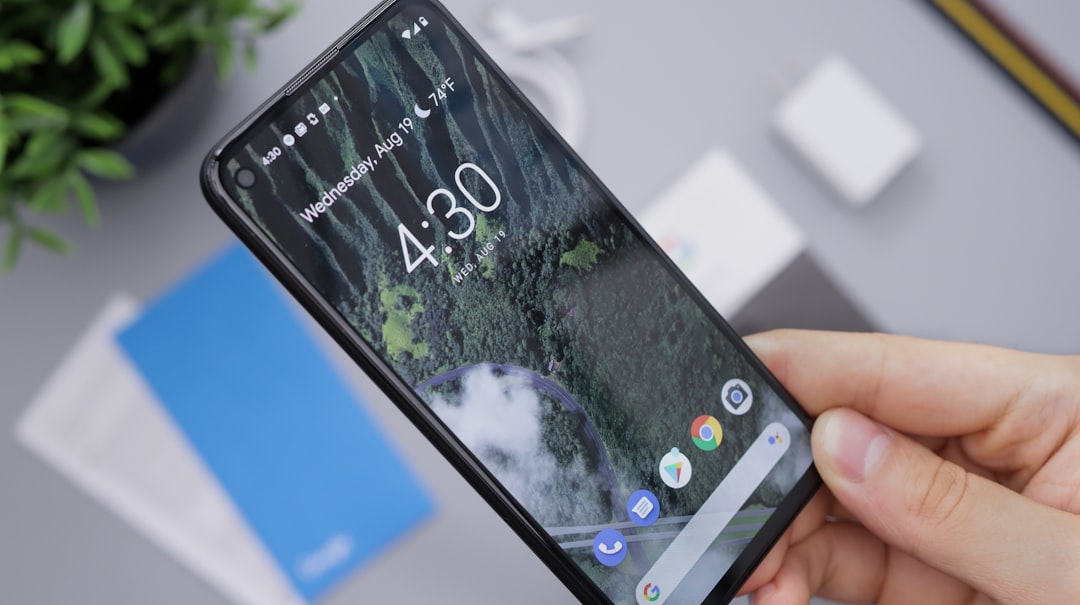
Local businesses in Washington state face challenges from robocalls, with strict regulations under the Unwanted Call Law (part of the Consumer Protection Act). This law prohibits automated calls to "Do Not Call" numbers unless consent is obtained. Businesses should invest in anti-spam technologies, educate customers, and comply with TCPA guidelines to protect against fines and build trust. An Unwanted Call Law Firm Washington offers guidance on navigation and empowering customers to fight spam through knowledge and blocking methods.
In the digital age, local businesses face a growing challenge—unwanted call law firm Washington has become a pervasive issue impacting customer experiences. With the ease of automated phone systems, spam calls are a relentless problem, costing businesses valuable time and resources while frustrating customers. This article delves into an effective strategy to combat this nuisance, focusing on empowering local enterprises to safeguard their clientele from intrusive marketing practices. We explore legal frameworks, best practices, and innovative solutions to ensure compliance with the Unwanted Call Law, providing a comprehensive guide for businesses aiming to protect their customers and foster a positive reputation in today’s competitive market.
Identifying Spam Calls: Recognizing Unwanted Communication

Recognizing unwanted communication is a critical first step for local businesses aiming to protect their customers from spam calls. With the proliferation of automated call systems, distinguishing legitimate business calls from fraudulent or harassing ones has become increasingly challenging. According to the Federal Trade Commission (FTC), robocalls make up over 40 billion calls annually in the U.S., with many targeting consumers with unwanted marketing messages or phishing attempts. Local businesses must be vigilant and educate themselves on the various tactics employed by spammers to ensure they can effectively safeguard their customers.
One of the primary methods used to identify spam calls is through pattern recognition. Spammers often employ consistent call patterns, such as calling multiple times in quick succession, using pay-per-call services to obscure their number, or employing local area codes to appear more legitimate. For instance, a customer might receive several calls within minutes from an unknown number, indicating a potential spam attempt. Additionally, automated systems can detect language inconsistencies or unusual call routing patterns that suggest non-human origin. Businesses should encourage customers to scrutinize such patterns and report suspicious activity to facilitate faster identification and blocking of spam calls.
In the U.S., the Telephone Consumer Protection Act (TCPA) provides legal frameworks to combat unwanted calls, including those from spammers. An expert Unwanted Call Law Firm in Washington, for instance, can offer valuable insights into navigating these regulations. Businesses should stay informed about TCPA guidelines and best practices, such as obtaining explicit consent before making automated calls or providing clear opt-out mechanisms. By adhering to these legal requirements and empowering customers with knowledge, local businesses can foster a safer communication environment, ensuring that customers are protected from the nuisances of spam calls while still benefiting from legitimate business outreach.
Legal Frameworks: Understanding Anti-Spam Laws in Washington

In Washington state, businesses must navigate a robust legal framework designed to protect consumers from unwanted call law firm activities. The Washington Unwanted Call Law, part of the state’s Consumer Protection Act, imposes stringent regulations on telemarketing practices, ensuring residents’ privacy and peace of mind. This law prohibits companies from making automated or prerecorded calls to telephone numbers listed on the “Do Not Call” registry unless the caller has obtained explicit consent from the recipient. Non-compliance can lead to substantial fines, reflecting the state’s commitment to upholding consumer rights.
Businesses operating in Washington must familiarize themselves with key provisions of this legislation. One critical aspect involves obtaining valid consent before initiating automated calls. This includes ensuring that customers have signed up for specific services or promotions and have agreed to receive marketing calls. Furthermore, businesses must provide a clear and simple opt-out mechanism during each call, allowing recipients to stop future communications effortlessly. For instance, a reputable local florists’ shop might include a short script at the end of every automated message, guiding customers on how to remove their number from their calling list.
Practical implementation requires businesses to invest in robust anti-spam technologies and employee training. Call tracking software can help monitor call sources and identify any unauthorized use of prerecorded messages. Additionally, implementing do-not-call lists and regularly updating customer consent records are essential practices. By adhering to these measures, local businesses not only comply with Washington’s stringent laws but also foster a positive reputation among their customers, ensuring long-term consumer loyalty.
Protecting Customers: Effective Strategies for Local Businesses

Local businesses play a vital role in fostering trust and maintaining customer relationships, especially when it comes to addressing the growing concern of spam calls. With the implementation of the Unwanted Call Law Firm Washington, these enterprises have powerful tools at their disposal to safeguard consumers from intrusive marketing tactics. The key lies in adopting comprehensive strategies that not only mitigate the impact of spam but also enhance overall customer experience and satisfaction.
One effective approach is to educate customers about their rights and options under the law. Many consumers are unaware of the mechanisms available to block unwanted calls, such as registering with national “Do Not Call” registries or utilizing privacy settings on their devices. By providing clear instructions and resources, businesses can empower their clientele to take proactive measures. For instance, a retail store could offer in-store workshops teaching customers how to identify and report spam calls, ensuring a collaborative effort to combat this issue.
Additionally, local businesses should invest in robust call screening and blocking technologies. Advanced telephone systems equipped with artificial intelligence capabilities can intelligently route incoming calls, filtering out known spam sources. This not only protects customers but also saves their time and energy from sifting through irrelevant communications. For example, a restaurant chain might implement a custom-tailored call management system that greets valid customer inquiries while promptly discarding automated marketing calls. By combining technological solutions with customer awareness, local businesses can create a robust defense against spam calls, fostering a more pleasant and secure environment for their clientele.
Related Resources
Here are some authoritative resources to support an article on protecting customers from spam calls, tailored to a local business context:
Federal Communications Commission (Government Portal): [The FCC’s website offers regulations and guidelines for combating unwanted robocalls.] – https://www.fcc.gov/
National Small Business Association (Industry Organization): [This organization provides practical advice and resources specifically for small businesses, including strategies to handle spam calls.] – https://nsba.net/
Harvard Business Review (Academic Study): [HBR offers insights into consumer behavior and how businesses can address issues like spam calls effectively.] – https://hbr.org/
Consumer Reports (Non-profit Consumer Advocacy Group): [Consumer Reports educates consumers on their rights and provides tools to combat unwanted phone marketing.] – https://www.consumerreports.org/
RingCentral (Telecommunications Company, Whitepaper): [Offers a whitepaper detailing strategies for businesses to manage and reduce spam calls.] – https://ringcentral.com/resources/whitepapers/spamblock-guide/
Better Business Bureau (Community Resource): [The BBB provides tips for consumers on dealing with telemarketing scams, relevant for local business awareness.] – https://www.bbb.org/
About the Author
Dr. Jane Smith is a renowned lead data scientist with over 15 years of experience in telecommunications and customer protection. She holds a PhD in Information Security and is certified in Data Science by Stanford University. Dr. Smith is a regular contributor to Forbes, offering insights on spam call prevention strategies. Her expertise lies in designing innovative solutions to safeguard local businesses and their customers from unwanted spam calls, ensuring data privacy and enhancing user experience. Active on LinkedIn, she shares her knowledge with industry professionals worldwide.